Bai Hu - The White Tiger

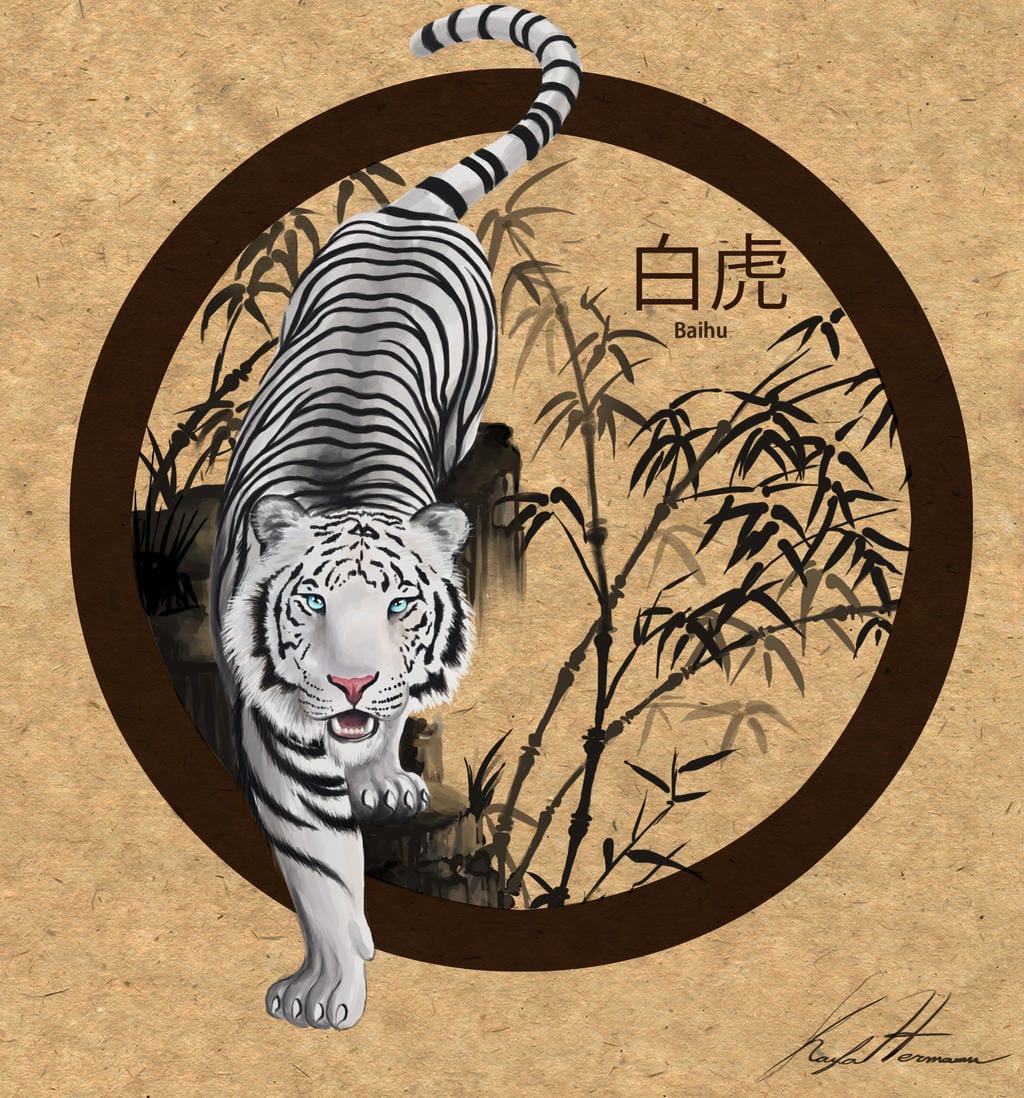
Summer is here, and many are heading toward sunny holiday destinations. It seems like the perfect time to talk about The White Tiger and unfortunately for some heatstroke.
Have you ever experienced heatstroke? I have, and I can tell you, it made me vomit.
Western Medicine: Signs and Symptoms of Heatstroke
According to the Mayo Clinic, symptoms include:
- A core body temperature of 40°C (104°F) or higher
- Confusion, irritability, slurred speech, seizures, or even coma
- Hot, dry skin or, if caused by exertion, heavy sweating
- Nausea and vomiting
- Flushed skin
- Rapid, shallow breathing
- Fast heart rate
- Headache
What you won’t find listed is a sensation of cold. However, in Chinese medicine, this is a critical diagnostic indicator because treatment strategy depends on whether heat or cold predominates.
The Mythology Behind Bai Hu Tang
In Chinese culture, herbal formulas often carry symbolic meaning. Bai Hu Tang (White Tiger Decoction) is named after the mythological White Tiger which is associated with the Western direction. Understanding why the formula is named after this animal helps us remember its energetic function.
The cardinal directions originate from the separation of Basic Qi into Heaven (Yang) and Earth (Yin), a concept rooted in Taoist cosmology. The Taiji (Great Ultimate) is the undivided Qi source, from which Heaven (light, clear Yang) rises and Earth (heavy, turbid Yin) sinks. As suggested by the following statements.
Zhou Yi; The Great ultimate Taiji, is where the Basic qi is still blending or swirling before Heaven and Earth are divided.
Shou Wen; The Basic qi divides. The light , clear, Yang part becomes Heaven. The heavy, unclear, Yin part becomes Earth.
As Heaven and Earth are created so are the directions.
Huai Nan Zi says this about the Dao; Dao originated from emptiness and emptiness produced the Dao, that which was clear and light drifted up to become Heaven, and that which was heavy and turbid solidified to form Earth.
The Heavens beings synonymous with Yang qi and Earth with Yin qi. And where is all the Yang qi to be found, in the South. And all the Yin qi is to be found in the North.
All the directions correspond with a mythological animal that symbolizes the energy found in that direction. Each direction corresponds to an elemental energy and a symbolic creature:
- South - Vermillion Bird (Yang, rising, expanding)
- North - Black Tortoise (Yin, descending, storing)
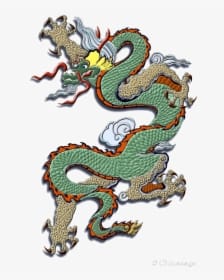
- East - Azure Dragon (rising, active)
- West - White Tiger (cooling, collecting, descending)
The energy found in the West is cooling, collecting, and descending. This is in opposition to the East where the energy is rising, warming, and expanding. And that is what the herbal formula Bai hu tang does. It cools heat, collects fluids, and descends the excessive Yang heat.
By extension we can use The White Tiger to remember what almost all Yang ming herbal formulas achieve.
Let’s take a look at the formula Bai hu tang and bai hu jia ren shen tang.
Bai Hu Tang
shi gao 48g, zhi mu 18g, geng mi 18g, zhi gan cao 6g
When, in cold damage, the pulse is floating and slippery, this indicates heat in the exterior and cold in the interior. In such cases, Bai Hu Tang governs.
This formula, known as White Tiger Decoction, treats formless internal dryness and heat spreading throughout the body. It clears Yang Ming channel patterns - or in Fire School terms, Qi layer heat, which corresponds to the Stomach and Lung organs. It protects body fluids and thereby preserves Yang.
The four great signs are:
- High fever with aversion to heat
- Intense sweating
- Great thirst with a desire to drink large quantities of fluids
- A surging, large pulse
This formula addresses:
- Yang Ming channel heat pattern (Qi Layer heat)
- Dryness of the middle burner due to Stomach heat
- Collapse of heat into the Pericardium
Yang Ming must physiologically descend into Yin. When this process is impaired, there is a significant risk of Yin damage - the highest risk of any conformation.
The Yang Ming conformation, associated with the dry Metal element of the West, represents the body’s dryness. Anatomically, it is embodied by the Lungs and Large Intestine. Functionally, Yang Ming manifests as the Stomach domain, which includes the Stomach, Small Intestine, and Large Intestine.
In Yang Ming pathologies, there is a strong tendency toward profuse heat and sweating, as the Lungs govern Qi. When the channel pathology collapses inward, it manifests as dryness in the Stomach and Large Intestine.
A short discourse on the herbs used in Bia hu tang.
Shi Gao (Gypsum) is pungent and disperses heat in the Stomach domain and Lungs. It is also sweet and nourishing to the Stomach, Spleen, and Lungs. As a pungent, cold herb, it disperses heat from the Yang channels: Tai Yang, Yang Ming, and Shao Yang. Shi Gao preserves Yin and blood by clearing excess heat.
Shi Gao represents the cool, sweet, and pungent action of clearing heat while saving Yin fluids and blood.
Zhi Mu (Anemarrhenae rhizome) is bitter and drains heat from the Stomach and Lungs. It is also sweet and nourishes fluids in the Stomach, Lungs, Kidneys, and Heart. Zhi Mu clears deficiency heat, helping preserve the Yin blood of the Liver and Heart, because only when Yin and blood are sufficient can the Yang mind be pacified. It also clears heat in the Jue Yin Liver and Pericardium channels.
Zhi Mu represents the clearing of Stomach heat while lubricating exhausted fluids. It is often paired with Shi Gao in patterns of empty heat due to its moistening nature.
Zhi Mu, as a cool and bitter herb, adding material to support Yin and fluids, and helps preserve them by stabilizing their movement.
Geng Mi (nonglutinous rice) tonifies Middle Jiao Qi and protects the Stomach from the cooling and potentially damaging effects of cold herbs like Shi Gao.
Geng Mi provides substance to anchor Yang and supports the Nutritive Qi in the blood.
Zhi Gan Cao (prepared Glycyrrhizae radix) is sweet, tonifying, and nourishing to all organs, but especially the Heart.
It is mildly warm and nourishes Yin fluids, particularly in the Tai Yin and Shao Yin conformations. It also calms internal wind in the Jue Yin.
Zhi Gan Cao moistens fluids and balances the cold effects of herbs like Shi Gao and Zhi Mu.
I began this post by discussing heatstroke, and it's important to clarify: Bai Hu Tang does not treat heatstroke. It treats Yang Ming channel heat, which is not the same condition in Chinese medicine.
However, Bai Hu Jia Ren Shen Tang does apply to heatstroke. The addition of Ren Shen enhances its ability to treat Tai Yang heat, restoring the body’s capacity to regulate temperature.
To restore Tai Yang function—specifically the body's surface and ability to sweat an herb is needed that raises Yang Qi while anchoring it in Yin fluids. Ren Shen tonifies Yang Qi without generating excess heat.
Bai Hu Jia Ren Shen Tang – For Heatstroke
Despite the similar name, Bai Hu Tang does not treat heatstroke.
That role belongs to Bai Hu Jia Ren Shen Tang, which includes one key addition: Ren Shen (Ginseng).
Formula:
- Shi Gao – 48g
- Zhi Mu – 18g
- Geng Mi – 12g
- Zhi Gan Cao – 6g
- Ren Shen – 9g
Why Ren Shen?
Ren Shen raises Yang Qi without adding heat, tonifies fluids, and strengthens the Spleen, Heart, and Kidneys. It restores Tai Yang function, essential for regulating body temperature and sweating. In heatstroke, a person may feel cold, a sign the exterior is affected, and Yang is no longer anchored in Yin.
This formula addresses:
- Exhaustion from excessive sweating
- Tai Yang and Qi layer involvement
- Aversion to cold (a key summer heat indicator in Chinese medicine)
Summary
- Bai Hu Tang treats Yang Ming channel heat (Qi layer) with intense heat and fluid loss, but not heatstroke.
- Bai Hu Jia Ren Shen Tang, with added Ren Shen, is more suitable for heatstroke, especially when aversion to cold and fluid depletion are present.
- The White Tiger reminds us of the descending, cooling, and fluid-preserving nature of these formulas, reflecting the dry, Metal energy of the West.
- Understanding cosmological symbolism and herbal function helps make sense of how and when to use these classical formulas.