Herbal Methods

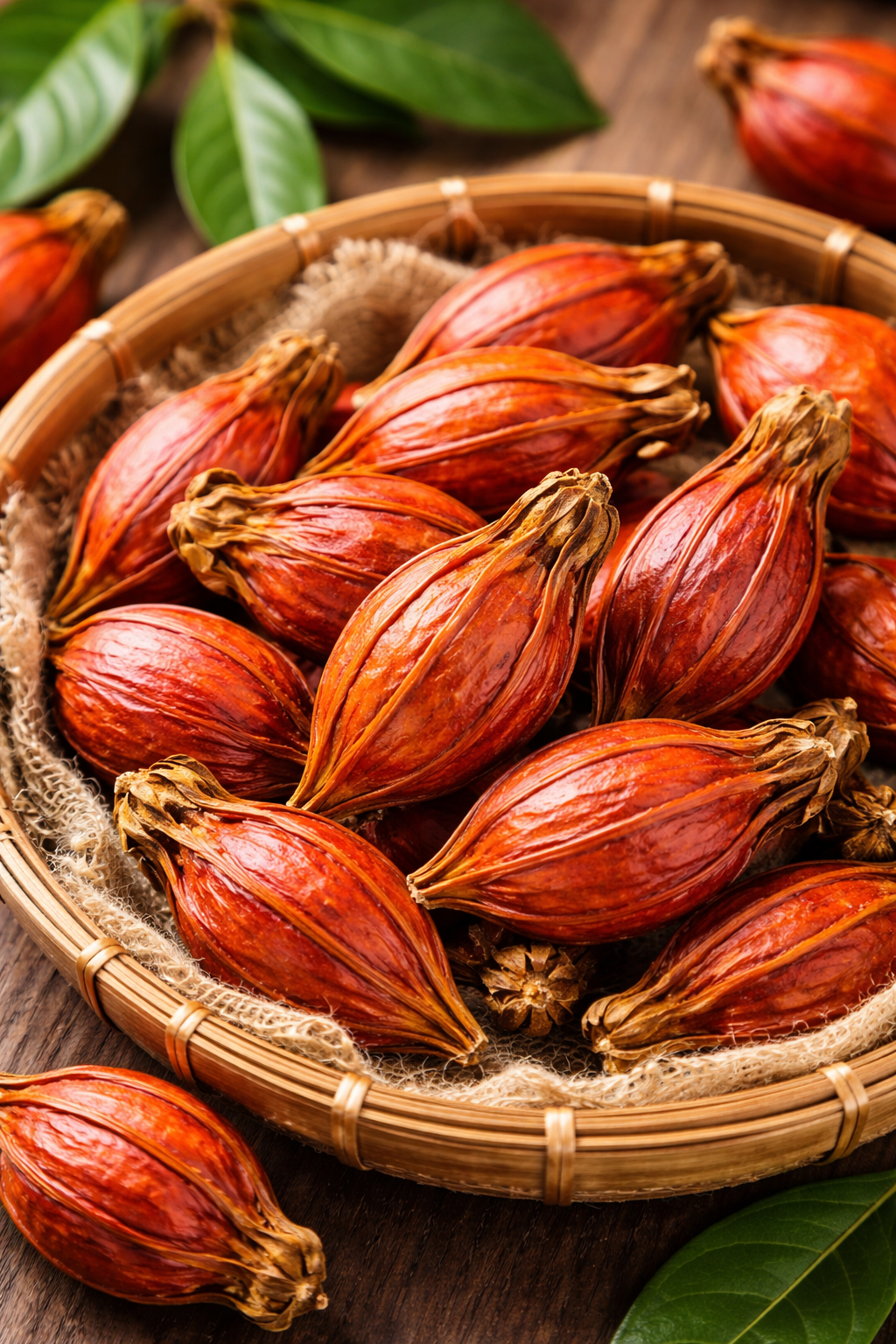
The names of the herbal formulas used in the classic text Shang Han Za Bing Lun are mostly, but not all, named after the herbs used in the formula.
For example there is the formula ma huang xi xin fu zi tang. The formula uses the herbs ma huang, xi xin, and fu zi. The herbs represent the action needed to correct the disease. The formula name is telling you what tools are needed. This is called the herbal method. Each herb represent an action or nature that is used in herbal medicine.
For example there is the Jiang method. The herb ginger, or Jiang, represents a warm pungent dispersing action that can be used to correct and accumulation of cold and dampness in the Yang ming Stomach.
When you go to an Chinese Herbal Medical doctor, and after he makes a diagnosis, he will give you a prescription or in Chinese a Fang. A fāng 方剂 fang also means a direction.
方剂
Fang in classical thinking, medicine, cosmology, and geography are connected:
· Directions ↔ seasons ↔ organs ↔ climatic influences
· A fāng (formula) is a directional correction for imbalance
This is why texts like the Huangdi Neijing freely move between:
· 方 as direction
· 方 as method
· 方 as therapeutic prescription
They are not separate ideas, they are layers of the same concept.
A formula like si ni san corrects the Eastern and Western directions. When you understand this concept, that Chinese medicine works with images, then you are finally getting the big picture. A Fang and herbal method are the same image needed to correct the disease.
Si ni san
chai hu 12 zhi shi 12 zhi gan cao 12 bai shao 12
This formula corrects the pivot of Earth. When Earth works properly the function of the Eastern direction and the Western direction are restored. The Eastern direction is responsible for the expression of the Yang qi in the body. All bodily processes need some form of Yang warmth and movement. The Western direction is responsible for the return of the Yang expression. This return ensures that the Yang functions internally and that the body comes to rest.
The herbal method used in this formula is a chai hu method. It would also be correct to call it a chai hu zhi shi method. Zhi gan cao and bai shao support the main method in this formula.
I want to share a excerpt from my work on modifications. It is the Modifications found in the Shang Han Lun. In that classic text there are modifications of herbal formulas mentioned.
Studying the formula modifications found in the classic text Shang Han Lun, which is also known as Cold Damage Classic, gives us a deeper understanding of the dynamics of disease, as well as the herb itself. By understanding the herb in the context of a formula and pathology it gives us an image to use instead of just memorization.
Zhi zi, Gardeniae fructus
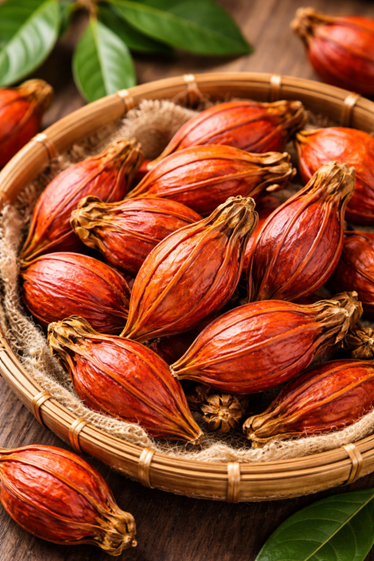
76 b When after the promotion of sweating, the use of vomiting, or the use of precipitation, there is vacuity vexation and inability to sleep, and if the condition is severe, with tossing and turning and anguish in the heart, zhi zi chi tang governs. If there is shortage of qi, zhi zi gan cao chi tang governs. If there is retching, zhi zi sheng jiang chi tang governs.
Vacuity vexation is a condition that can occur after a treatment that promotes sweating, vomiting, or precipitation (purging).
This internal vacuity or weakness leaves an accumulation of heat. This heat causes inability to sleep, with tossing and turning and anguish in the heart.
The excess heat prevents the Western direction from cooling, collecting, and descending. Zhi zhi is the image of autumn.
This text mentions three different formulas for vacuity vexation.
· zhi zi chi tang
· zhi zi gan cao chi tang
· zhi zi sheng jiang chi tang
Let us take a look at the herb first, and then all the formulas that use the herb zhi zi.
Zhi zi, Gardeniae fructus
Cold and bitter draining of heat.
Sources
- Mitchell: Clears heat and drains dampness.
- Bensky: Clears heat from the three burners and drains damp-heat through the urine.
- Penner: Cold, bitter, and astringent. Clears heat in all upper and middle burners. Clears damp-heat in the middle and lower burners, including the bladder. Cools blood heat to stop bleeding.
- Versluis: Zhi Zi clears damp-heat in all three burners, but primarily clears heat.
Summary
We can say it is cold bitter heat and damp heat draining.
· Clears heat affecting the upper burner causing vexation.
· Clears damp and damp heat in the middle and lower burners, Liver, gall bladder, stomach, intestines, bladder.
· It drains the damp and heat out though the bladder by promoting urination.
Zhi zi formulas
Zhi shi zhi zi chi tang
dan dou chi 24 zhi shi 3 zhi zi 15
This formula is directed at the upper and middle burners. Dan dou chi is warm pungent dispersing of cold to clear cold on the surface but also of Earth.
393 When after a major illness is cured, there is taxation relapse, zhi shi zhi zi chi tang governs.
In taxation relapse heat can generate due to deficiency and this formula clears that heat. The use of Dan Dou Chi prevents further weakening of Yang, as Yang is already deficient, and excessive cooling and draining would aggravate this weakness.
The temperature of the formula is almost balanced but mostly cool. I believe the 18 gr cool and cold will dominate the mildy warm pungent dou chi.
The action is dispersing and draining.
Dan dou chi, Sojae semen praeparatum, is also known as dou chi, is warm, pungent and sweet, it clears external cold, and eliminates irritability, harmonizes the middle jiao and relieves stuffy sensations in the chest.
The Yakucho has this to say about Dou chi. It treats anguish inside the heart. On the side it treats congested pain in the chest and fullness with vexation in the chest.
Zhi shi, Aurantii fructus immaturus, is cool and bitter descending of Yang ming Stomach dryness. It breaks stagnation of Earth, Which frees the movement of Yang in the middle so normal function can return. It restores the pivot of Earth, so Yang ming can descend and Tai yin Spleen can raise.
Zhi zi is bitter and cold, it clears ministerial fire heat and clears congested heat of the chest.
We can infer from this formula that zhi zi does not move the Liver, Gall bladder or Stomach enough, and that is why zhi shi is used in this formula.
Zhi zi chi tang
zhi zi 9 dan dou chi 9
76b After sweating, vomiting or purging, there is deficiency vexation and inability to attain sleep, if it gets worse, there will be continuous tossing and turning, with anguish in the heart, and zhi zi chi tang governs.
This pair clears heat in the upper burner that causes vexation and insomnia.
It is a mild cool formula.
Zhi zi da huang tang
zhi zi 15 dou chi 24 zhi shi 6 da huang 3
Chapter 15 Line 15 For alcohol jaundice, there is anguish in the heart or heart pain, zhi zi da huang tang governs.
The accumulation of damp and heat causing vexation and pain in the chest.
Da huang, Rhei rhizome is cold bitter clearing of Yang ming congestion by disinhibiting bowel movement which clears excessive heat.
The Yakucho has this to say about da huang. It governs unobstructing and disinhibiting congested toxins, and therefore can treat chest fullness, abdominal fullness, abdominal pain as well as constipation, inhibited urination, while on the side treating jaundice, blood stasis and pus swelling.
Zhi zi gan cao chi tang
zhi zi 9 zhi gan cao 14 dan dou chi 9
76b After sweating, vomiting or purging, there is deficiency vexation and inability to attain sleep, if it gets worse, there will be continuous tossing and turning, with anguish in the heart, and zhi zi chi tang governs. If there is shortness of breath, zhi zi gan cao chi tang governs. If there is retching, zhi zi sheng jiang chi tang governs.
The addition of zhi gan cao to the formula zhi zi chi tang creates zhi zi gan cao chi tang.
Gan cao, Glycyrrhizae radix is the unprepared root. Zhi gan cao is stir fried with honey and therefore sweeter and warmer than unprepared.
It tonifies Earth while mildly tonifying qi and nourishing fluids of the Stomach. Zhi gan cao is also sweet moderation of Fire that causes shortness of breath due to failure of clear qi to rise.
Zhi zi gan jiang tang
zhi zi 9 gan jiang 6
80 When in cold damage great precipitation (purging) is performed with a pill medicine, the generalized heat is not gone and there is mild vexation, zhi zi gan jiang tang governs.
It treats heat in the chest causing vexation with cold in the middle burner.
The purging with pills pulls heat inwards which accumulated in the chest. The Tai yang wind cold disease created cold in the Tai yin.
Gan jiang, Zingiberis rhizoma, dried is the main herb to warm the Tai yin level and treat excessive dampness by introducing Yang ming dryness in Tai yin dampness.
Zhi zi hou po tang
zhi zi 12 hou po 12 zhi shi 9
79 When after precipitation has been used in cold damage, there is heart vexation, abdominal fullness, and fidgetiness whether lying or sitting, zhi zi hou po tang governs.
Hou po is added to the combination zhi zi and zhi shi creating zhi zi hou po tang.
Hou po, Magnoliae cortex is warm and bitter, it opens the middle and promotes the downward movement of the Yang ming Stomach family.
The Yakucho has this to say about hou po. It governs the treatment of distension and fullness of chest and abdomen. On the side it treats abdominal pain.
Zhi zi is bitter and cold and clears ministerial fire while it clears congested heat of the chest.
Zhi shi is cool and bitter descending of Yang ming Stomach dryness. It breaks stagnation of Earth, Which frees the movement of Yang in the middle so normal function can return. It restores the pivot of Earth, so Yang ming can descend and Tai yin Spleen can raise.
Zhi zi sheng jiang chi tang
zhi zi 9 dan dou chi 9 sheng jiang 9
76b When after the promotion of sweating, the use of vomiting, or the use of precipitation, there is vacuity vexation and inability to sleep, and if the condition is severe, with tossing and turning and anguish in the heart, zhi zi chi tang governs. If there is shortage of qi, zhi zi gan cao chi tang governs. If there is retching, zhi zi sheng jiang chi tang governs.
Sheng jiang has been added to the combination of zhi zi and dan dou chi creating the formula zhi zi sheng jiang chi tang. Sheng jiang eliminates nausea by harmonizing the stomach and drying dampness and phlegm.
Zhi zi is bitter and cold and clears ministerial fire while it clears congested heat of the chest.
Dan dou chi releases the exterior, eliminates irritability, harmonizes the middle jiao and relieves stuffy sensations in the chest. Together with zhi zi pi they make zhi zi chi tang for alleviation of Yang ming heat collapse into the Lung and chest after wind invasion on the surface.
Summary
In the classical texts Shang Han Lun and Jin Gui Yao Lue, herbal formulas are often named after their key herbs. These names are not arbitrary, they reveal the method of treatment. Each herb represents a specific action or therapeutic image needed to correct a disease pattern. This way of thinking is known as the herbal method.
For example, herbs such as Ma Huang, Xi Xin, or Fu Zi are not merely ingredients; they express warming, dispersing, or restoring actions that guide the formula’s intent. Likewise, the Jiang (ginger) method represents warm, pungent dispersal to resolve cold and damp accumulation in the Yang ming Stomach.
When a Chinese herbal doctor prescribes a formula, it is called a fāng (方剂). The word fāng means both formula and direction. In classical Chinese medicine, directions, seasons, organs, and climatic influences are inseparable. A formula is therefore a directional correction - a method that guides the body back into balance. In this worldview, direction, method, and prescription are different layers of the same idea.
This principle becomes clear in formulas such as Si Ni San, which restores the functional relationship between the Eastern and Western directions through regulating the Earth pivot. When Earth functions properly, Yang can express outward and then return inward, allowing both activity and rest. Here, the Chai Hu method is the central image, supported by complementary herbs that stabilize and harmonize the movement.
A deeper level of learning emerges when studying the formula modifications recorded in the Shang Han Lun. These modifications show how subtle changes in symptoms require precise changes in method. Rather than memorizing isolated herb functions, we learn to see herbs within the dynamic image of pathology. For more information see the Post Modification of the Shang Han Lun.
An example is Zhi Zi (Gardeniae Fructus), a bitter, cold herb that drains heat and damp-heat across all three burners, with a strong effect on vexation, chest constraint, and insomnia. Zhi Zi represents the image of autumn—cooling, descending, and collecting.
In patterns such as vacuity vexation after sweating, vomiting, or purging, residual heat becomes trapped due to underlying weakness. This heat disrupts sleep and creates anguish in the Heart. The classics present several formulas built around Zhi Zi, each addressing a different expression of imbalance:
- Heat alone
- Heat with qi deficiency
- Heat with nausea
- Heat combined with stagnation or cold in the middle burner
By studying formulas like Zhi Zi Chi Tang, Zhi Zi Gan Cao Chi Tang, Zhi Zi Sheng Jiang Chi Tang, and related variations, we gain insight into what Zhi Zi does—and just as importantly—what it does not do on its own.
From Memorization to Clinical Insight
This classical approach teaches us to think in images, movement, and direction, rather than isolated symptoms or herb lists. A formula and its method are one and the same: a precise image chosen to correct a specific imbalance. When this way of thinking becomes clear, Chinese medicine reveals itself not as a collection of techniques, but as a coherent and elegant system of clinical reasoning.