Salt in Modern Health and Chinese Medicine: What You Need to Know

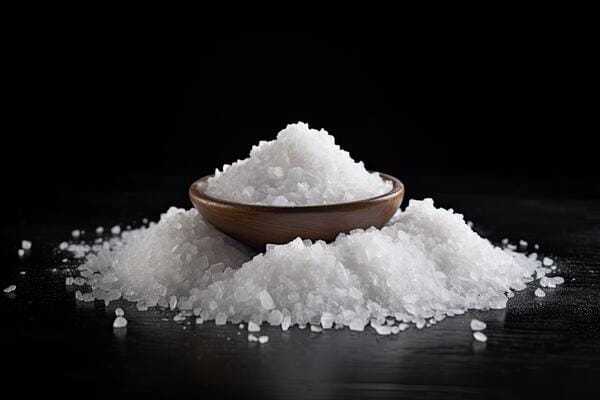
Salt has been labeled both a silent killer and a vital nutrient. But what if both modern science and traditional Chinese medicine (TCM) actually agree on one thing - salt is essential, and balance is key?
In this article, we’ll explore how salt works in the body, dispel some common myths, and uncover its deeper therapeutic meaning through the lens of Chinese medicine. Whether you’re curious about electrolytes, TCM herbs, or your daily salt intake, this is your guide to understanding salt from both worlds.
Salt Isn’t the Enemy
For years, we’ve been told that salt causes high blood pressure and heart disease. But newer studies challenge this claim. Moderate salt consumption doesn’t significantly raise blood pressure in most people. In fact, overly restricting salt may lead to unintended problems - like elevated blood sugar levels or poor hydration.
Did You Know?
- The global average sodium intake is about 4 grams per day.
- The optimal range is 3–5 grams/day - not the low levels many health agencies recommend.
- 1 gram of salt = 500 mg of sodium and 500 mg of chloride.
Sodium (Na) – Regulates fluid balance outside the cells and helps maintain healthy blood pressure. Sodium works closely with potassium through the sodium-potassium pump, which moves these ions across cell membranes to generate electrical signals essential for nerve impulses and muscle contractions.
Chloride (Cl) – Partners with sodium to keep fluid balance and electrical neutrality in the body. In the stomach, chloride combines with hydrogen ions to form hydrochloric acid (HCl), a key component for digesting food.
Instead of eliminating salt, the better approach is simple: salt your food to taste. Your body’s craving is often a more reliable guide than a number on a chart.
The Problem with Modern Salt
While salt is necessary, not all salt is created equal. Many commercial salts (even sea salt) contain very little iodine, a mineral essential for thyroid health. Others are contaminated with microplastics, a growing concern in food safety.
Solution for low iodine levels: Choose Iodine-Rich Foods
Rather than relying on iodized table salt, try incorporating natural sources of iodine into your diet:
- Kelp or seaweed
- Eggs
- Tuna
- Shrimp
- Milk
- Dried prunes
These foods offer iodine plus a range of other nutrients, without the risk of additives or contaminants.
Electrolytes: Salt’s Unsung Partners
Salt is part of a broader group of minerals called electrolytes—including sodium, potassium, calcium, magnesium, and chloride. These are essential for:
- Regulating fluids
- Muscle function
- Nerve transmission
- Overall hydration
You lose electrolytes when you sweat, so if you're physically active or use saunas, replenishment is crucial.
Easy Electrolyte Boost
Try adding a squeeze of lemon juice to your water. It contains natural amounts of potassium, calcium, magnesium, and a bit of sodium - and it tastes great. You can also use electrolyte concentrates like Elete Sport Minerals for more targeted support.
Salt in Chinese Medicine: The Softening Taste
In Traditional Chinese Medicine, salt holds a completely different significance. The salty flavor is associated with softening and descending, used to break down stiffness, moisten dryness, and anchor floating Yang energy.
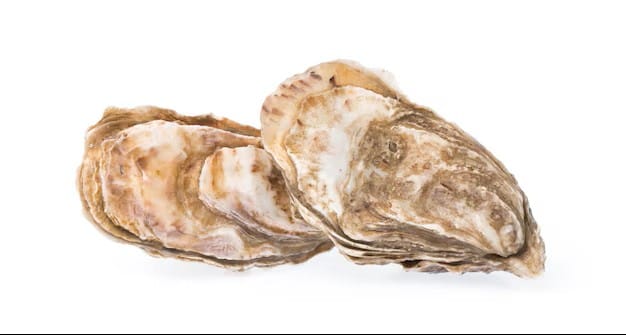
One of the most well-known salty medicinal substances is Mu Li (oyster shell). It’s used to:
- Calm the spirit (Shen)
- Anchor Yang
- Soften hardness in tissues
- Restore balance between Heart and Kidney
TCM views salt not just as a chemical, but as a medicine that moves energy, breaking up accumulations, and moistening dryness.
A Classical Example: Chai Hu Jia Long Gu Mu Li Tang
Let’s look at a classical herbal formula that shows how salt-rich substances are used in practice.
Chai Hu Jia Long Gu Mu Li Tang
Treats shao yang, clears damp and heat congestion and anchors the yang. This is a version of xiao chai hu tang but now with gui zhi and long gu muli added to calm the shen and anchor yang.
The yang qi has been weakened and the ministerial fire fails to warm and moisten the san jiao. This causes damp to accumulate which then becomes phlegm due to exposure to the heat of the body. The ministerial fire then flares due to a failure of movement. Excessive heat then dries the fluids even more and yang ming becomes dry. The yang in its weakened state rushes upward causing fear and fright and the heat causes mental unrest.
This is an advanced state of dryness in yang ming and heat in shao yang. Da chai hu tang treats shao yang with dryness in yang ming before it progresses to a chai hu jia long gu muli tang pattern.
Click here for a list of ingredients.
Shang Han Lun Text
When in cold damage that has lasted for eight or nine days, precipitation is used, and there is fullness in the chest, vexation and fright, inhibited urination, delirious speech, heaviness of the entire body, and inability to turn sides, chai hu jia long gu muli tang governs.
The salty herbs Mu Li (oyster shell) and Long Gu (fossil bone) are added to anchor the spirit and soften internal hardness. The rest of the formula addresses heat, dampness, and stagnation in the Shao yang and Yang ming.
This illustrates how salt in Chinese medicine serves a deeper function, not just balancing electrolytes, but calming the heart, descending rising energy, in a harmonizing herbal formula.
A Word of Caution: The Hidden Dryness of Osmotic Laxatives
Many people rely on osmotic laxatives like Macrogol for chronic constipation. While these products work by pulling water into the intestines, they can dry out the rest of the body over time.
In clinical Chinese medicine, chronic use of such laxatives often leads to:
- Dry, cramping muscles (a loss of fluids in tissues)
- Fatigue, dizziness, cold limbs, and heart rhythm issues (signs of Yang and Yin deficiency)
According to TCM, this reflects an imbalance between the Tai Yin (fluid-rich Earth system) and the Yang Ming (dryness-prone digestive system). When Earth becomes too dry, the body can no longer nourish its structure, leading to chronic depletion, a pattern described as “Taxation” in classical texts.
Chronic use of laxatives causes long term problems and professional advice is needed to adjust to the new situation. Just stopping causes constipation.
Book an appointment with me here.
Final Thoughts: Salt as a Symbol of Balance
Salt is not inherently harmful, it is vital. Both modern research and ancient medicine teach us that context, quality, and balance are what truly matter.
Whether you're restoring minerals after a workout, treating energetic tension with salty herbs, or simply seasoning your meals, salt plays a profound role in your physical and emotional well-being.
So don’t fear salt. Understand it. Respect it. Use it wisely.
Sources:
7 Facts about SALT from a Doctor (Is Eating Salt Healthy?)