The Union and Separation of the Conformations


Introduction
The Six Conformations (Liu Jing) are often presented as a system of channels, organs, or stages of disease. In the Huangdi Neijing Suwen, however, they describe a deeper relationship between cosmic influences and their expression within the human body.
This work examines the union and separation of the Conformations through three interrelated aspects:
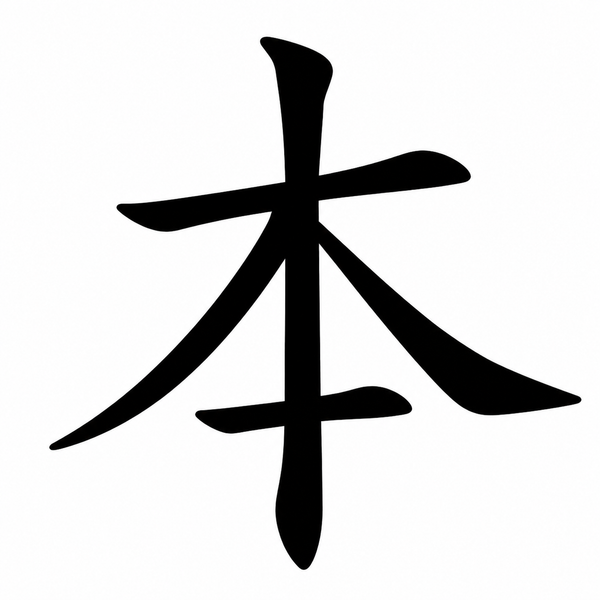
Ben (本) as the cosmic root,
Biao (标 / 標) as its manifestation in the channels, and
Zhong (中) as the center of transformation.
Drawing on Chapters 66 and 74 from the Yellow Empeor's Classic, and integrating Kai–He–Shu (opening, closing, pivoting), the Six Conformations emerge as a dynamic system. The channels do not merely describe structure, but the way in which the body receives, regulates, and transforms.
The Cyclical Nature of the Channel System

It takes Jupiter almost twelve years to circle the Earth. This number twelve is one of the numbers used to organize our world. The channel, vessel, or meridian system used in acupuncture is based on this system. The twelve Organs in our body corresponds with the universe and the number twelve of Jupiter’s orbit.
Classical Chinese thought organizes life through cycles. The number twelve reflects this order, appearing in both cosmology and physiology. The twelve channels form a continuous circuit:
Lung → Large Intestine → Stomach → Spleen → Heart → Small Intestine → Bladder → Kidney → Pericardium → San Jiao → Gall Bladder → Liver → Lung
This cycle describes an unbroken movement of Qi, reflecting the rhythms of Heaven and Earth.
The Ling Shu further organizes the channels into three unions:
- Tai Yin ↔ Yang Ming
- Shao Yin ↔ Tai Yang
- Shao Yang ↔ Jue Yin
These pairings express interior–exterior relationships and form the basis of the Six Conformations.
Wang Bing, The Ling Shu states, Tai yin and Yang ming form one Union, Shao yin and Tai yang form the second Union, Shao yang and Jue yin form the third Union, there are three such Unions, for both hands and feet.
The Six Conformations and the Six Climatic Influences
Each conformation corresponds to a climatic influence (Ben), as described in Chapter 66:
- Jue Yin → Wind
- Shao Yin → Heat
- Tai Yin → Dampness
- Shao Yang → Ministerial Fire
- Yang Ming → Dryness
- Tai Yang → Cold
Here, a fundamental distinction is established:
- Ben (本) — the cosmic root, the Six Climatic Influences arising from Heaven
- Biao (标 / 標) — their manifestation within the Six Conformations in the body
Each climatic influence is expressed through specific channel systems, forming a correspondence between cosmos and physiology.
Chapter 66 Yellow Emperor’s Classic
These are what is called the Root; these are the so-called six principal qi.
What is above in jue yin, the wind rules it.
What is above in shao yin, the heat rules it.
What is above in tai yin, dampness rules it.
What is above in shao yang, the ministerial fire rules it.
What is above in yang ming, the dryness rules it.
What is above in tai yang, cold rules it.
Wang Bing comments
The three Yin and Yang constitute the Tip.
Cold, dryness, fire, dampness, heat, and wind constitute the Root.
Ben and Biao: Root and Manifestation
Ben and Biao describe a two-layer model:
- Ben (Root): universal climatic expression of Yin and Yang
- Biao (Manifestation): structured expression of the climatic qi in the channels
This differs from the clinical use of “root and symptom.” Here, the terms describe how cosmic forces become embodied within the human system.
The body is therefore not separate from nature, but a direct expression of it.
本
Ben (本) the “Root” as Cosmic Origin
In this context, Ben refers to the primary, originating influence in nature:
· The Six Qi / Six Influences/Six Climatic Influences: cold, dryness, fire, dampness, heat, and wind.
These are seen as cosmic energies arising from Heaven (the macrocosm)
These climatic forces are the fundamental drivers of change in both nature and the body.
标
Biao (标 / 標) the “Manifestation” in the Channels
Biao here refers to how those cosmic influences are expressed or structured within the human body, specifically through:
· The Six Channel systems: Tai Yang, Shao Yang, Yang Ming, Tai Yin, Shao Yin, Jue Yin
So Biao points to the embodiment or physiological expression of those cosmic forces in the human organism.
The Relationship between Ben and Biao
Each climatic influence (Ben) corresponds to channel systems (Biao) that “carry” or express it:
· Fire (Ben) → Shao Yang (Biao, primary) and Jue Yin (Biao, secondary)
This gives you a two-layer model:
1. Heaven (Ben): energetic, environmental principle
2. Earth/Human (Biao): concrete physiological manifestation via channels
What’s different from the clinical meaning?
In clinic:
· Ben = root cause of disease
· Biao = symptoms
In this discussion:
· Ben = universal energetic principle (macrocosm)
· Biao = its patterned expression in the body (microcosm)
Why this matters
This framework shows a core idea of Chinese medicine:
The human body is not separate from nature, it is a structured reflection of it.
So diagnosis and treatment aren’t just about symptoms vs cause, but about:
· Identifying which cosmic influence is active (Ben)
· Understanding how it is expressing through the channels (Biao)
How the Conformation manifest in the body.
This is based on theories found in the Yellow Emperor’s Classic chapter 74.
Qi Bo,
The shao yang and the tai yin conform to the root.
The shao yin and the tai yang conform to the tip and root.
The yang ming and the jue yin conform to neither the tip nor the root, they conform to the center.
The tip, root and center are already defined as mentioned above in the acupuncture theory.
Ben (本) — Root
The cosmic influence (Six Qi), as we discussed (cold, dryness, fire, dampness, heat, and wind)
Biao (标 / 標) — Tip / Manifestation
The channel identity itself (Tai Yang, Yang ming, Shao Yang, Tai yin, Shao yin, and Jue yin)
Zhong (中) — Center Biao Secondary
The internal pivot or mediating dynamic, often where yin–yang transformation actually happens.
Manifestation of the Conformations
Shao yang and Tai yin manifest as the Heavens
Shao yin and Tai yin manifest as Fire and Water
Yang ming and Jue yin manifest as their middle or balancing influence
Shao Yang & Tai Yin “Conform to the Root (Ben)”
Text: “The shao yang and the tai yin conform to the root.”
Wang Bing:
· Shao Yang root = Fire
· Tai Yin root = Dampness
· “Root and tip agree”
Meaning: These two channels are direct expressions of their Ben (cosmic influence).
· Shao Yang (Biao) as Fire (Ben)
· Tai Yin (Biao) as Dampness (Ben)
There is no distortion or mediation, the channel faithfully reflects its cosmic origin.
Insight: These are the purest Ben–Biao alignments in the system.
Shao Yin & Tai Yang “Conform to both Root and Tip”
Text: “The shao yin and the tai yang conform to the tip and root.”
Wang Bing:
· Shao Yin
Root = Heat (Ben)
Tip = Yin (channel identity)
· Tai Yang
Root = Cold (Ben)
Tip = Yang (channel identity)
Meaning: Here there is a duality or control between the Ben and Biao.
· The cosmic influence (Ben)
· The channel nature (Biao)
These channels embody both simultaneously, even when they seem contradictory.
Examples:
· Shao Yin: Heat (Ben) inside a Yin constrained system of internal fire and Yin structure
· Tai Yang: Cold (Ben) expressed through a Yang exterior and interior connection via the channels
Insight:
These are threshold systems:
· Tai Yang is the interface with the exterior world
· Shao Yin is the deepest interior
They must hold both root and manifestation at once.
Yang Ming & Jue Yin “Conform to the Center (Zhong)”
Text: “The yang ming and the jue yin conform to neither the tip nor the root, they conform to the center.”
Wang Bing:
· “Within Yang Ming is Tai Yin”
· “Within Jue Yin is Shao Yang”
· “Root and tip differ from what is in the center”
Meaning: These channels do not directly reflect their Ben or their surface identity.
Instead, they are defined by an internal dynamic (Zhong):
· A hidden pairing
· A transformational relationship
Yang Ming:
· Associated with Dryness (Ben)
· But internally contains Tai Yin (Dampness)
Dryness and Dampness interplay
Jue Yin:
· Associated with Wind (Ben)
· But internally contains Shao Yang (Fire)
Wind and Fire interplay
Insight:
These are transformational relationships, not direct expressions.
They represent:
· Conversion
· Reversal
· Dynamic balance
|
Channel Pair |
Relationship |
What it means |
|
Shao Yang / Tai Yin |
Conform to Ben (Root) |
Direct expression of cosmic influence |
|
Shao Yin / Tai Yang |
Conform to Ben + Biao |
Hold both root and manifestation simultaneously |
|
Yang Ming / Jue Yin |
Conform to Zhong (Center) |
Govern transformation, not direct expression |
This represents a deeper connection between the Cosmos and body
· Ben = cosmic force
· Biao = channel expression
Chapter 74 refines this by adding:
Not all channels relate to Ben in the same way.
It shows three modes of embodiment:
1. Direct (Root) → Shao Yang, Tai Yin
2. Dual (Root + Tip) → Shao Yin, Tai Yang
3. Transformational (Center) → Yang Ming, Jue Yin
Why this matters clinically (without oversimplifying)
This passage explains why different channels behave so differently:
· Tai Yin / Shao Yang are clearer, more “pure” presentations
· Tai Yang / Shao Yin are mixed interior/exterior or hot/cold patterns
· Yang Ming / Jue Yin are complex, often paradoxical or shifting conditions
Kai–He–Shu (开-合-枢)
Opening, Closing, and Pivoting
What Chapter 74 is hinting at only really “clicks” when you overlay it with Kai–He–Shu (开-合-枢) from the Yellow Emperor’s Classic.
We’re now stacking three layers:
1. Ben (Root / Six Qi) → cosmic influence
2. Biao (Channel) → structural expression
3. Kai–He–Shu → function (what the system actually does)
First: the Kai–He–Shu map of the Six Channels
Each pair of channels forms a functional triad:
Yang channels
· Tai Yang → Kai (Opening)
· Yang Ming → He (Closing)
· Shao Yang → Shu (Pivot)
Yin channels
· Tai Yin → Kai (Opening)
· Jue Yin → He (Closing)
· Shao Yin → Shu (Pivot)
Shao Yang & Tai Yin Conform to Ben (Root)
These are both OPENING or PIVOT aligned with the Root
· Shao Yang (Shu / Pivot) + Fire (Ben)
· Tai Yin (Kai / Opening) + Damp (Ben)
What this means:
· Pivot (Shao Yang) regulates the movement of the root influence (Fire)
· Opening (Tai Yin) allows the material basis of the root (Damp/Earth) to emerge
These systems are faithful carriers of the cosmic Qi:
· Shao Yang distributes it allowing the rising and falling of Yang
· Tai Yin receives it, grows, and nourishes the body
Clinical feel:
· When balanced there is a smooth regulation (pivot works, Yang and fluids move, there is growth)
· When disturbed there is a classic damp stagnation (Tai Yin) or pivot blockage (Shao Yang)
Shao Yin & Tai Yang Conform to Root + Tip
These are Pivot and Opening at the extremes of interior/exterior
· Tai Yang (Kai / Opening) + Cold (Ben) + Yang surface and interior (Biao)
· Shao Yin (Shu / Pivot) + Heat (Ben) + Yin depth (Biao)
What this means:
These systems mediate between root and tip:
Tai Yang (Opens the expression of Yang externally and internally)
· Brings Cold (Ben) to the exterior
· Brings Heat (Biao) to the interior
Shao Yin (Pivot inward)
Brings internal Heat (Ben) within the deepest Yin
Brings Yin (Biao) to the body and surface
Together they form a vertical axis:
· Tai Yang = External and internal expression
· Shao Yin = inside pivot ensures Yin transformation and movement
Clinical feel:
· Simultaneous interior–exterior patterns
· Cold outside / heat inside, or collapse between the two
· Instability of regulation (sweating, fluids, circulation)
Yang Ming & Jue Yin Conform to the Center (Zhong)
These are both CLOSING (He) systems
· Yang Ming (He / Closing)
· Jue Yin (He / Closing)
But Chapter 74 says:
They do not follow root or tip, they follow the center.
What this means:
Closing is not just “shutting”, it is containment + transformation. Yang ming closes the Yang which ensures the descent of Yang to the interior. Jue yin closes the Yin which ensures that Yang is once again born and expressed outwardly.
· Yang Ming (Dryness Ben) contains Tai Yin (Damp) internally
· Jue Yin (Wind Ben) contains Shao Yang (Fire) internally
These are alchemical systems:
· They transform opposites within themselves
So:
· Yang Ming = closing that consolidates and dries, but rooted in damp transformation
· Jue Yin = closing that stabilizes wind, but driven by internal fire
Clinical feel:
· Yang Ming → excess, accumulation, “fullness that must resolve”
· Jue Yin → reversal, complexity, heat/cold mixing, internal wind
The full integrated model
|
Channel |
Function |
Chapter 74 |
Deeper meaning |
|
Tai Yang |
Opening (Kai) |
Root + Tip |
Exterior and
interior expression of Yang |
|
Shao Yang |
Pivot (Shu) |
Root |
Regulates Fire directly |
|
Yang Ming |
Closing (He) |
Center |
Transforms via internal Damp |
|
Tai Yin |
Opening (Kai) |
Root |
Receives Qi, grows, and nourishes |
|
Shao Yin |
Pivot (Shu) |
Root + Tip |
Inner regulator of Fire and Water |
|
Jue Yin |
Closing (He) |
Center |
Deep transformation, birth of Yang (Wind
and Fire) |
Conclusion
Viewed through Ben, Biao, and Zhong, and clarified by Kai–He–Shu, the Six Conformations reveal a system defined by movement and relationship rather than fixed categories.
Three modes of expression become clear:
- Alignment with the Root (Ben) — Shao Yang and Tai Yin directly express their cosmic influence
- Integration of Root and Manifestation (Ben + Biao) — Shao Yin and Tai Yang bridge interior and exterior
- Transformation through the Center (Zhong) — Yang Ming and Jue Yin contain and convert opposing forces
Through opening, pivoting, and closing, these relationships become dynamic processes:
- Opening receives
- Pivot regulates
- Closing transforms
This perspective shifts clinical understanding from static patterns to process and timing. Symptoms are no longer isolated phenomena, but expressions of how the body negotiates the movement of Qi between Heaven and Earth.
Ultimately, the Six Conformations describe not only pathology, but the organization of life itself:
The human body is a structured expression of the cosmos, continuously opening, pivoting, and closing in response to it.
In this way, union and separation are not opposites, but phases within a single, continuous movement of transformation.